
Pediatric Chiropractor in Richmond, VA
We are dedicated to helping you and your family achieve optimal health and well-being.


Conveniently located in Richmond, VA
Most parents don’t think of chiropractic care for their kids. The assumption is that chiropractic is for adults with back pain; not for children. But children develop spinal and postural issues too, and they respond remarkably well to gentle chiropractic care. In many cases, they respond faster than adults because their bodies haven’t had decades to compensate around dysfunction.
At Jamison Family Chiropractic, we treat children of all ages, from newborns to teenagers. Pediatric adjustments are not the same as adult adjustments. The force used is gentle, specific, and appropriate for a developing body. Many parents are surprised by how light the touch is and how well their children respond.
Dr. Drew has been treating pediatric patients since opening the practice in 2015, and many of the families who come in started with one parent and now have every member of the household under the same roof. Kids who were nervous at their first visit now look forward to their appointments.
“Dr. Drew at Jamison Family Chiropractic has worked with each member of our family to their specific needs for months! My husband, myself, and our 4 kids (ages 1-15) have all benefited from getting adjusted. Keeping our spines in alignment has helped with headaches, lower back pain, allergies, ear infections and so much more. We have been so blessed to have found such a caring individual in Bon Air.”
— Cari S.

Why Children Need Chiropractic Care
Children’s spines are not just smaller versions of adult spines. They’re developing rapidly, adapting to new physical demands constantly, and absorbing impacts that most parents don’t think twice about. Consider what your child’s body goes through:
Birth:
The birth process itself places significant mechanical stress on an infant’s cervical spine and cranium — especially during prolonged labor, vacuum or forceps-assisted delivery, or cesarean section. Subtle joint restrictions from birth can affect feeding, sleep, comfort, and neurological development. Many parents bring their newborns in within the first weeks of life, and the adjustments at this stage are extraordinarily gentle, about the same pressure you’d use to test a ripe tomato.
Toddlers and Young Children:
Learning to walk, climb, run, and fall is part of childhood. The average toddler falls hundreds of times before mastering walking. Each fall is a micro-trauma to the spine and pelvis. Most of these are absorbed without issue, but over time, cumulative impacts can create joint restrictions that affect posture, mobility, and comfort. Early detection and correction is far simpler than addressing years of accumulated dysfunction later.
School-Age Children:
Heavy backpacks, poor desk posture, hours of screen time, and the physical demands of sports all place significant stress on a growing spine. This is the age when postural habits are forming — habits that will either serve them well or create problems that compound into adulthood. Forward head posture from phone and tablet use is now showing up in children as young as 7 or 8.
Teenagers:
Growth spurts, competitive athletics, increased academic demands, and more hours hunched over screens create a perfect storm for spinal dysfunction. Teenagers are also developing the postural patterns they’ll carry into adulthood. Chiropractic care during adolescence can prevent chronic issues before they start and support athletic performance during a critical development window.
Conditions We Treat in Children
Pediatric chiropractic isn’t just about back pain. Children rarely complain of “back pain” the way adults do. Instead, spinal dysfunction in children shows up as other symptoms that parents and pediatricians don’t always connect to the spine:
Infants (0–12 months)
- Nursing difficulty — difficulty latching or preferring one side during breastfeeding, often related to cervical restrictions from birth
- Colic and reflux — excessive spitting up or discomfort after feeding. Upper cervical and thoracic restrictions can affect the vagus nerve, which plays a role in digestive function
- Torticollis and head tilt — a strong preference for turning the head to one side, sometimes with visible flattening of the skull. Often caused by upper cervical restrictions that respond quickly to gentle adjustment
- Sleep disruption — frequent waking, difficulty settling, and general fussiness that doesn’t have an obvious cause. Many parents report immediate improvement in sleep quality after their infant’s first adjustment
Toddlers and Young Children (1–5 years)
- Recurring ear infections — recurrent ear infections are one of the most common reasons parents seek pediatric chiropractic care. Gentle upper cervical adjustments can improve eustachian tube drainage and reduce infection frequency without antibiotics
- Developmental milestones — delayed or asymmetric crawling, walking, or running patterns that may indicate pelvic or spinal restrictions
- General fussiness and discomfort — frequent falls during the toddler years can create cumulative spinal restrictions that affect comfort, sleep, and behavior
School-Age Children (6–12 years)
- Postural issues — early signs of forward head posture, rounded shoulders, and spinal curvature from heavy backpacks and screen time
- Neck and back pain — neck pain, headaches, and upper back tension from prolonged device use
- Sports injuries — sprains, strains, and overuse injuries from organized sports
- Growing pains — children who complain of growing pains may have underlying spinal or pelvic dysfunction contributing to their discomfort
Teenagers (13–18 years)
- Headaches and neck pain — headaches, neck stiffness, and upper back pain from school, sports, and screen time. Cervicogenic headaches are increasingly common in teenagers
- Postural dysfunction — forward head posture, thoracic kyphosis, and anterior pelvic tilt are developing earlier than ever due to sedentary habits and technology use
- Athletic performance and injury recovery — competitive and recreational athletes benefit from chiropractic care to improve performance, prevent injury, and recover faster from the physical demands of training
- Scoliosis screening — early detection and monitoring of abnormal spinal curvature. Chiropractic care can support management alongside orthopedic oversight when indicated
“My daughter’s running injury was aggravated by physical therapy, and she ended up on crutches with drop foot. Her orthopedist wanted her to go to a neurologist, but after receiving a recommendation from a friend, we opted to start treating with Dr. Drew instead. Within 3 days her drop foot was gone and she was walking on her own again. I am so glad we went with Dr. Drew.”
— Susan W.
How We Adjust Children
The most common concern parents have is: “Is it safe to adjust a child?” The answer is yes, and the adjustment looks very different from what you’d experience as an adult.
Newborns and Infants
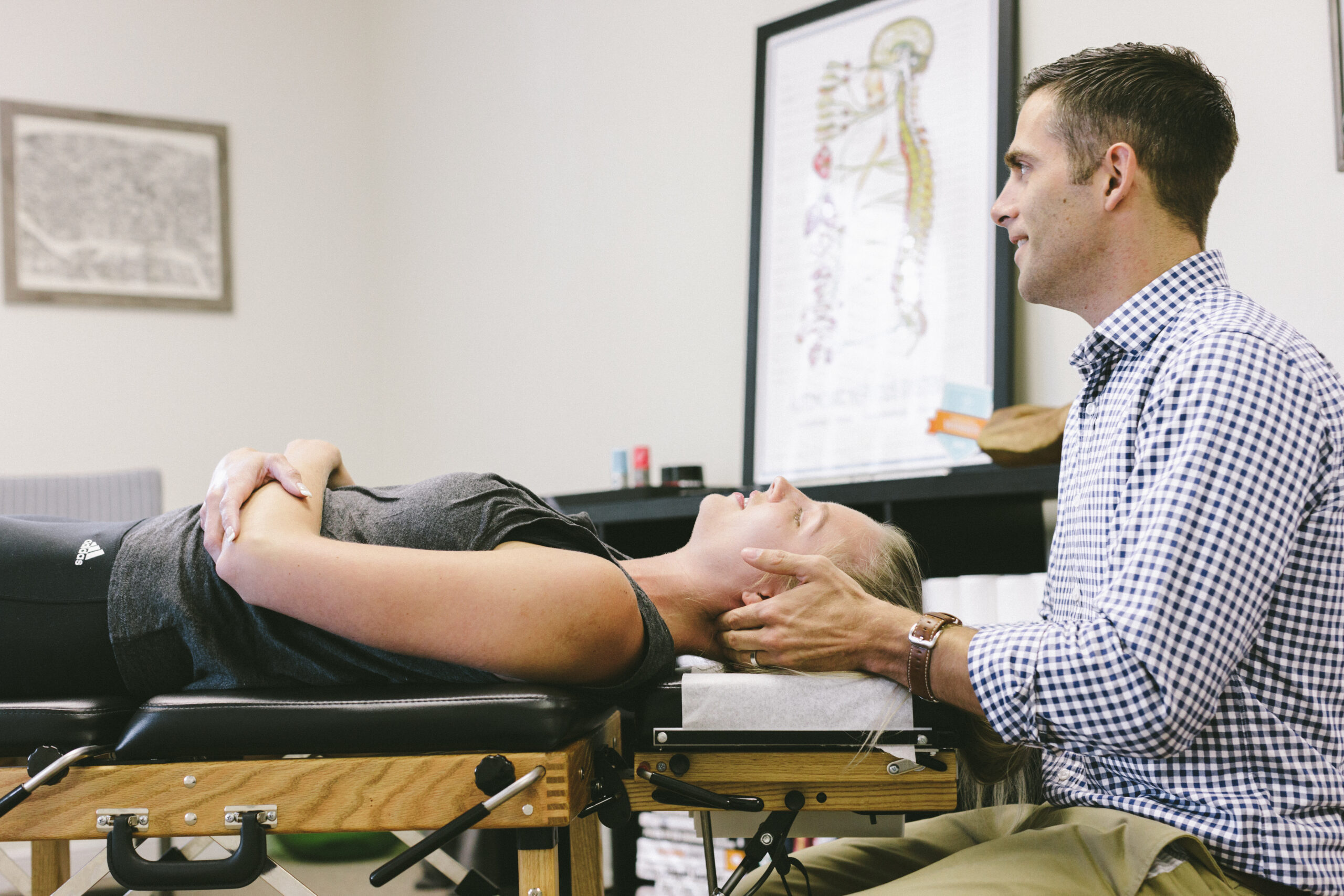
Adjustments for newborns use fingertip pressure only — about the same amount of force you would use to comfortably press on your own eyelid. There is no twisting, cracking, or forceful manipulation. The baby typically rests in a parent’s arms or on a cushioned surface during the adjustment. Many infants sleep through it. Dr. Drew uses the ArthroStim for some infant adjustments — a handheld percussion instrument that delivers a precise, gentle impulse.
Toddlers and Young Children
Adjustments for young children are light, quick, and painless. Dr. Drew uses a combination of gentle manual techniques and the ArthroStim depending on the child’s age, size, and comfort level. Most children find the experience fun, several of our youngest patients ask to come back. The key is making them feel safe and comfortable, and Dr. Drew is patient enough to let nervous kids warm up at their own pace.
School-Age Children and Teenagers
Older children and teens may receive adjustments similar to adults, but with reduced force appropriate for their age and development. The techniques used depend on the child’s presentation, manual adjustments (Diversified), drop table (Thompson), or instrument-assisted (ArthroStim). Teenagers who are athletes often respond to the same corrective exercise protocols that adults receive, tailored to their sport and development level.
Key Benefits of Chiropractic Care

Improved Mobility
Your spine provides the foundation of all your movement patterns.
Fully functioning joints allow for deeper, more intentional movement and increased flexibility for all ages.

Enhanced Brain Function
Your spine protects your nervous system and allows communication from all your organs back to your brain.
Misalignments/restrictions hinder the communication pathways, so chiropractic adjustments restore proper neurological function.
Natural Pain Relief
Who can be happy when in pain? Getting your body out of pain and thriving is just one more step to happiness.
Chiropractic care not only gets you feeling better but gets you functioning better and back to your life.

Strengthened Immune System
Did you know that your immune system and your nervous system are related? And your digestive system is controlled by your nerves?
Chiropractic adjustments boost the immune system and regulate the digestive system.

Better Athletic Performance
Chiropractic care has been shown to improve performance, reduce recovery time from injuries, and maintain peak physical condition.
Adjustments can aid in optimizing muscle function and balance.
What Parents Typically Notice
Children don’t always articulate what’s changed after an adjustment. Parents, however, notice:
- Better sleep — especially in infants with colic, reflux, or general fussiness
- Improved feeding and digestion — improved latching, reduced reflux episodes, less discomfort after feeding
- Fewer ear infections — reduced frequency and severity of ear infections without medication
- Calmer temperament — less irritability, more settled behavior, and greater comfort throughout the day
- Better range of motion — improved head turning in infants with torticollis, better mobility in toddlers
- Improved posture — straighter posture, less complaint of neck or back pain, especially in screen-heavy kids
- Athletic performance — faster recovery from sports injuries, fewer missed practices and games
These changes are often noticed within the first few visits. Children’s bodies adapt and respond quickly because they haven’t had years of compensation patterns to unwind.
“I have taken both my kids in to see Dr. Drew when they were suffering from eustachian tube dysfunction and inner ear infections. He was able to align them both so that the underlying issue was addressed rather than them needing antibiotics or other meds. Dr. Drew is soft spoken and my kids both liked him. I highly recommend.”
— Jordan B.
A Family Practice — Not Just a Pediatric Office
We’re not a pediatric-only practice. We treat the entire family — and that’s actually an advantage. When parents are getting adjusted alongside their kids, they understand the process, they see the results in their own body, and their children feel more comfortable because the environment is familiar.
Many of our families started with one adult patient who saw results and gradually brought in their spouse, then their kids, then their parents. The family membership covers everyone in the household with unlimited visits and no contract — which makes it practical for families who want regular care for multiple members without worrying about per-visit cost.
Dr. Drew is also Webster Technique trained for prenatal chiropractic care, which means we can support moms through pregnancy and then transition seamlessly to caring for the newborn after delivery. Several of our pediatric patients have been adjusted since their first week of life.
Self-Pay Practice — No Insurance Required
We operate on a self-pay model. No insurance billing, no referrals, no pre-authorization, and no surprise bills. We offer affordable per-visit and membership options with no contracts — cancel anytime.
For families, the family membership is the most popular choice — everyone in the household is covered under one monthly rate with unlimited visits. That means your child can come in as often as needed without you calculating per-visit cost. Call (804) 432-1494 or book online for current pricing.
What to Expect During Your Visit
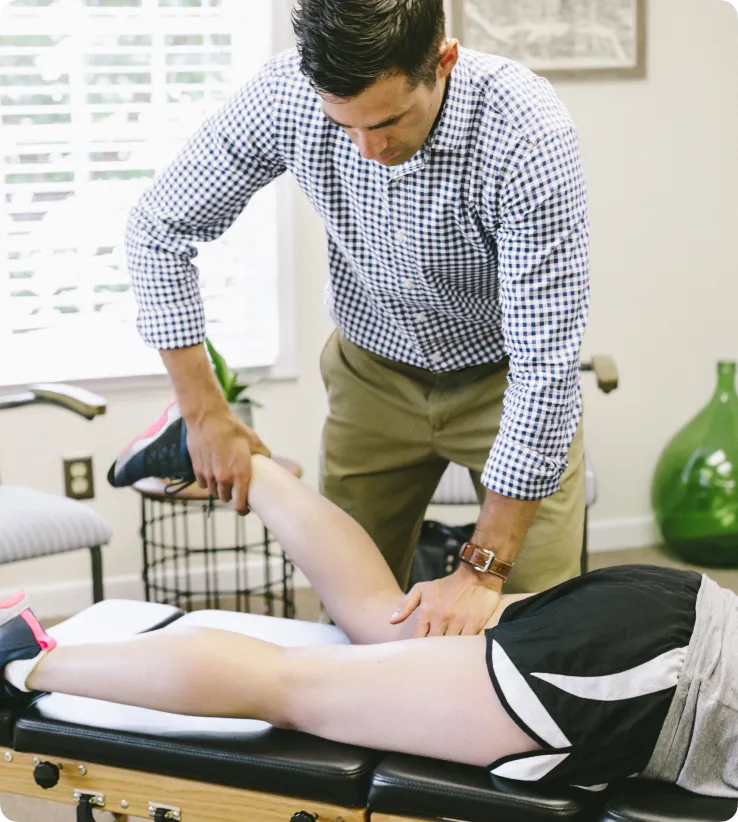
Your first appointment typically takes about 20–30 minutes:
Consultation — we’ll discuss your kid’s symptoms, health history, and what we’re hoping to accomplish
Physical exam — range of motion testing, posture analysis, orthopedic and neurological tests to pinpoint the source of the problem
Same-day treatment — most patients are treated on their first visit once we’ve identified the issue
Corrective exercises — your kid will leave with exercises to do at home that support the adjustment and accelerate recovery
No long-term contracts. We’ll give you an honest recommendation based on your kid’s exam and you decide how to proceed
Our Chiropractic Techniques
We use a variety of evidence-based chiropractic techniques to
ensure safe and effective treatment for all our patients.
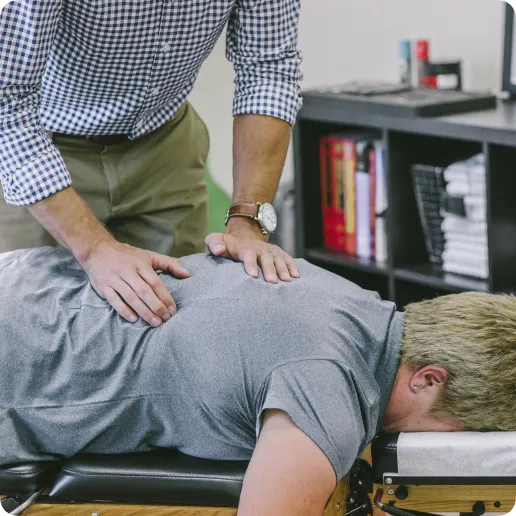
Diversified Adjustments
Hands-on spinal manipulation to restore proper alignment.
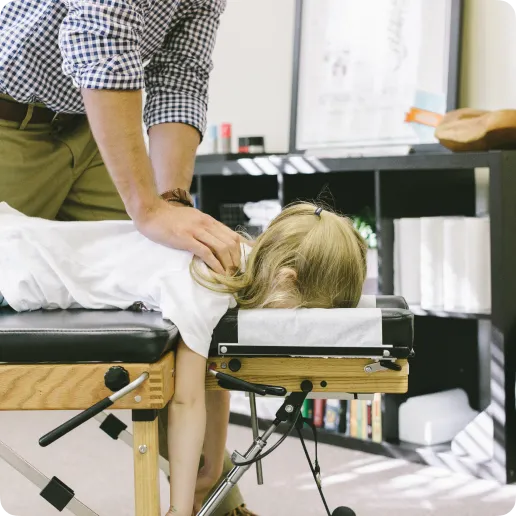
Drop Table Adjustments
A specialized table assists in precise and comfortable spinal corrections.
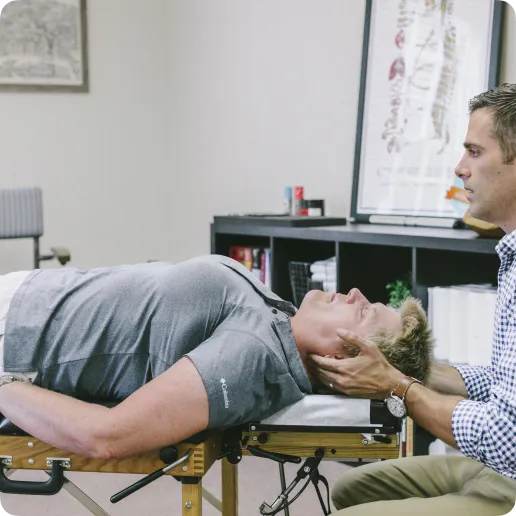
Low-Force Adjustments
Gentle techniques tailored for sensitive patients, including children and expectant mothers.
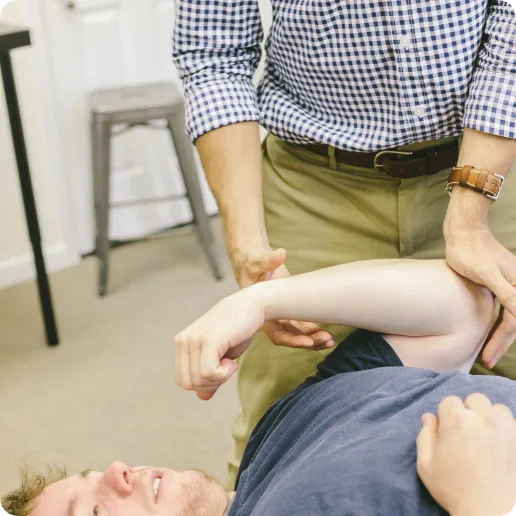
ArthroStim Instrument Adjustments
A handheld instrument provides targeted, low-force adjustments.
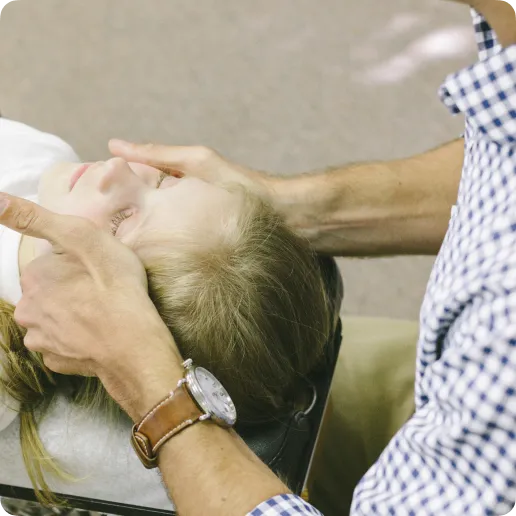
Webster Technique
A pregnancy-focused adjustment method that helps improve pelvic balance.
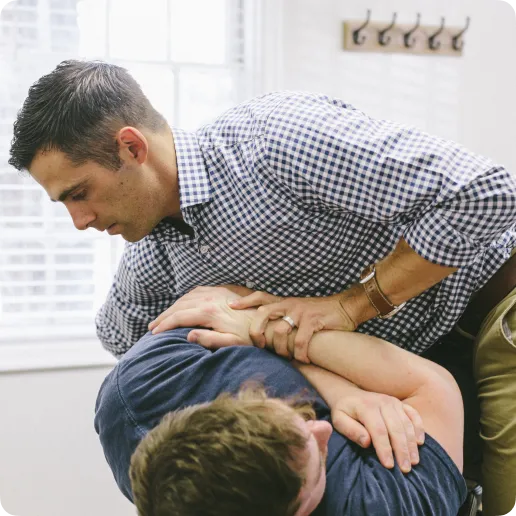
Sustained Contact Adjustments
Gentle pressure applied to specific areas to encourage natural realignment.



What Our Customers Say




Our Latest Articles

Frequently Asked Questions — Pediatric Chiropractic
Any age. We treat newborns as young as a few days old. Infant adjustments use fingertip pressure only and are extremely gentle. Many parents bring their baby in within the first few weeks of life, especially after a difficult or assisted delivery.
Yes. Infant adjustments use about the same pressure you’d use to test a ripe tomato. There is no twisting or cracking. The safety record for pediatric chiropractic is excellent, with adverse events being extremely rare and limited to mild, transient responses.
Yes. Recurrent ear infections are one of the most common reasons parents bring children to a chiropractor. Gentle upper cervical adjustments can improve eustachian tube drainage and reduce infection frequency. This approach addresses the structural cause rather than treating the symptom with repeated rounds of antibiotics.
No. Pediatric adjustments are gentle and painless. Most infants sleep through them. Toddlers and young children often find the experience fun. Older children and teens may hear a pop (the same as cracking your knuckles), which is normal and not painful. Dr. Drew is patient with nervous kids and will never force an adjustment.
Some signs to look for: difficulty breastfeeding or preferring one side, excessive fussiness or colic, torticollis (head tilt), recurring ear infections, poor sleep, postural changes, complaints of neck or back pain, headaches, growing pains, or frequent injuries from sports. If you’re not sure, bring them in for an evaluation and we’ll give you an honest assessment.
Many parents report significant improvement in colic symptoms after their infant’s first few adjustments. Gentle upper cervical and thoracic adjustments can affect vagus nerve function, which plays a role in digestion and gut motility. While chiropractic doesn’t claim to cure colic, addressing underlying spinal dysfunction often reduces the discomfort that contributes to it.
No. In Virginia, you can see a chiropractor without a referral. Since we’re a self-pay practice, there’s no insurance company requiring one either. Many pediatricians in the Richmond area are supportive of chiropractic care for children.